Non-Slip Solutions: The Best Textures and Finishes for Senior-Safe Bathrooms
Slipping inside bathrooms? Too many elders face that risk, broken hips, lost freedom follow close behind. Water pools on slick tile floors coated with shiny sealants, it only takes one misstep. Style still matters though. Swap risky gloss for grip-rich surfaces crafted by skilled hands. Suddenly what felt hazardous feels calm, almost luxurious without trying too hard.
Surface Friction Keeps Things Safe
Slipping becomes less likely when surfaces hold firm underfoot. A film forms from moisture, cleansers, and heat across slick tiles, barely visible yet risky. Older adults who move more slowly can lose footing where grip fades. Flooring with texture helps stop slides by increasing contact between shoe and surface. Today’s safer choices come in many styles, so practical does not mean clinical. Home warmth stays intact even when safety leads the design.
Best Slip Resistant Floor Materials
A choice like flooring isn’t just about how it looks. What lies beneath the surface matters more than you might think. Each material carries its own set of hidden traits. Appearance fades, yet performance stays. You have to consider what happens when feet walk, things drop, time passes. Longevity hides in details most ignore. The way a floor handles stress tells the real story. Looks can mislead if durability is overlooked. Picking well means reading between the lines of brochures. Function often whispers while design shouts.
Bumpy porcelain and ceramic tiles stand up well to wear plus handle water without trouble. Look at the DCOF number while choosing, this measures how slippery a tile might be. Wet spots need a score at or above 0.42 for safer footing. Surfaces that feel rough, smooth but not shiny, or intentionally uneven give bare feet something to hold onto. Even with moisture underfoot, movement stays steady thanks to these kinds of textures.
Starting off different, today’s luxury vinyl planks come with surface patterns that feel like real wood or rough stone. These textures are pressed right into the material during production, making them stand out under light. Instead of sliding easily, they offer subtle resistance beneath foot traffic. A bit softer than tile or concrete, the flooring gives just enough on impact. That small give might lower how hard a fall feels on the body.
Tiny tiles, like mosaics or pennies, stick better underfoot. Because they pack in so many grout seams, each step lands on tiny ridges. Those grooves grip your foot much more firmly compared to wide, slick surfaces. The layout itself becomes a quiet helper against slipping.
Honed Natural Stone: When going for real materials such as slate or granite, skip the shiny surfaces. Pick instead stones that are flamed, tumbled, or honed. The way they’re treated makes them soft underfoot yet keeps their rough texture so your step stays steady. Not too slick, not too harsh – just right beneath bare skin.
Custom Showers and Bathtubs
Slipping happens most where you step into the shower. That shift from flat, dry ground to slick tile needs serious traction.
Starting out with something underfoot that grips, many pre-shaped shower bases come textured right into the material. Acrylic or fiberglass units frequently include built-in details such as small bumps, straight ridges, or stone-like surfaces. Because these are formed during manufacturing, they last longer than sticky bath mats you lay down after installation. Unlike add-on solutions, this roughness does not peel away over time.
A slick finish might wait, but grip doesn’t have to. When redoing everything feels too much, strong coatings stick right onto old bathtubs. Tiny ridges form as they set, turning smooth into steady underfoot. Instead of paint, some choose molded wall coverings, common in Philadelphia bathrooms, that guard tile and footing at once. These shells fit snug, resist slips, and last long without flaking away. Bathroom tub wall liners in Philadelphia provide a durable, slip-resistant surface that protects your walls and enhances safety without a full remodel.
A solid rubber mat, held tight by strong suction grips, brings quick improvements to floor safety when full fixes aren’t ready yet. Teak wood versions work differently, gripping underfoot while pushing water away, blending practical traction with rich texture. Water must escape easily beneath whichever type you pick; trapped puddles undo the benefit and become risky spots instead.
Critical Wall and Transition Details
Balance matters as much as the ground beneath your feet. Reaching out comes into play the moment something feels off.
Slippery spots near showers? A bumpy finish on bathroom walls helps fingers grip when balance wavers. Instead of smooth tiles, go rougher, tiny ridges give palms something to hold onto mid-slip. Older bathrooms get new life through tile reglazing in Allentown, PA, where faded glaze turns into fresh, slightly gritty skin. That extra grain means more friction between palm and wall the moment it matters most. Touch meets traction before footing fails.
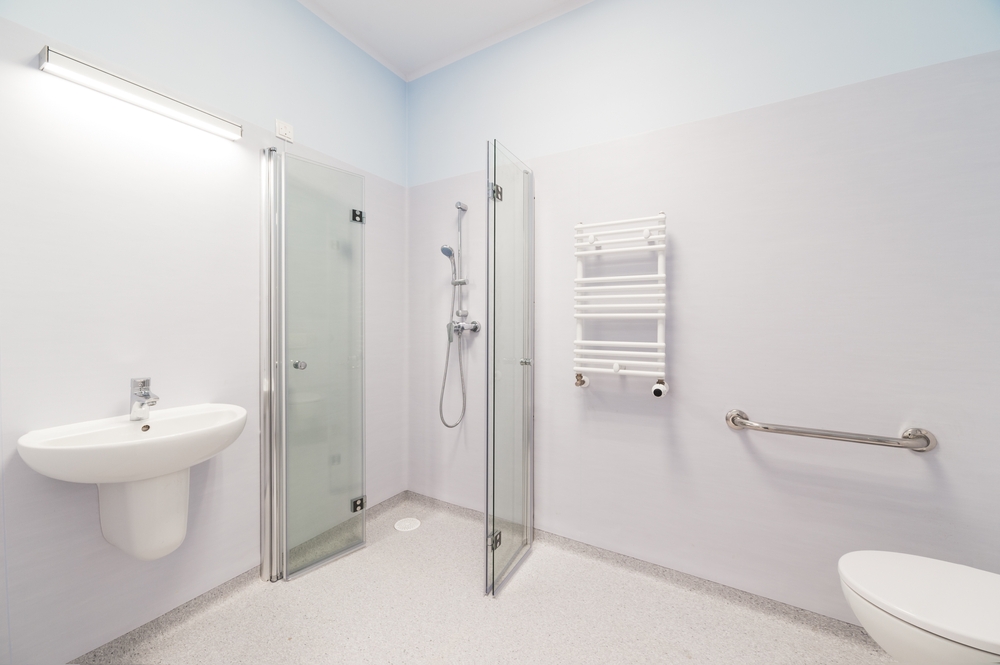
Bathed in water, regular chrome grab bars turn risky under fingers. Try ones built with bumpy surfaces instead, texture helps when soap is on skin. Some come coated in soft rubber stuff, others carry dull, non-reflective layers. Hands stay put, even if slippery. A grip that fights slip wins every time.
Slippery edges aren’t the only risk, uneven floors can trip someone too. The shift between bathroom tile and hallway flooring should sit perfectly level whenever you can manage it. When that isn’t possible, a strip of roughened metal or grippy rubber helps smooth out the change underfoot without adding danger.
Maintenance and Long Term Effectiveness
A pricey slip resistant surface loses its traction when soap residue builds up. Though meant to hold footing, it fails once skin oils settle in. Tiny ridges that help feet stay steady get clogged over time by hard water stains. Without those small bumps, the floor acts smooth. What was designed to protect now hides danger beneath a film of grime.
A fresh wipe each week keeps rougher areas free of gunk, stick to gentle soaps without oils. When grooves run deep, slide a toothbrush style tool through the dips to knock loose what settles in.
A slippery coating might form if waxy cleaners touch an elderly friendly surface. This happens because those formulas aren’t meant for slip resistant flooring, suddenly, safety fades underfoot.
Every now and then, take a moment to examine the suction grips under bath mats along with how non-slip surfaces respond to touch. When something seems too slick or slippery despite being freshly cleaned, that’s a sign changes are needed. Sticking to routine checks helps stop minor concerns from growing into serious hazards down the line.
Professional Installation Matters
A well installed bathroom stays safe; anything less risks problems down the line. Instead of guesswork, skilled workers set floors with just enough tilt, one quarter inch per foot, so water flows away where people walk most. Without proper prep, even strong glues and textured finishes might peel or slip over time. When top grade supplies meet careful work, the result feels solid underfoot, and looks good doing it. Contact One Day Bath Inc® Inc.® to explore stylish, non-slip bathroom solutions that improve safety in high risk areas without compromising the look of your space.